
We need not walk alone.
Winnipeg Chapter · Since 1977
Our Story
Canada’s first chapter of The Compassionate Friends began here in 1977. This is how we started, what we believe, and the words that still bring our members together.

Our history
The first Sharing Meeting was held on the third Thursday of January 1977. We have been meeting ever since.
1976
On January 31, 1976, Benjamin Robert Ian, son of Joan and Bob Martin, died at nine years of age after a long battle with cancer.
1977
One year later, Joan and Bob founded the first Canadian chapter in Winnipeg, with support from Children’s Hospital. The first Sharing Meeting was held on the third Thursday of January 1977.
1991
After 14 years of working from members’ homes, the chapter opened an office and drop-in centre in the Community Services Building at the Health Sciences Centre.
2009
During renovations, the Health Sciences Centre provided a new space in Harry Medovy House at 671 William Avenue, with room for drop-in visits and an office.
Today
We now meet at 530 Century Street, with deep thanks to the Health Sciences Centre for decades of support that helped us grow.
How TCF began
The Compassionate Friends was founded in Coventry, England, in 1969, after the deaths of two young boys, Billy Henderson and Kenneth Lawley, three days apart. Rev. Simon Stephens, Assistant to the Chaplain at the hospital, mentioned Billy’s death to Iris and Joe Lawley, who sent flowers to Billy’s funeral, signed simply “Kenneth’s parents”.
Bill and Joan Henderson invited the Lawleys for tea, and an immediate bond formed as they spoke freely about their boys. Encouraged by Simon, then only 23, they invited other newly bereaved parents to join them. Because the word “compassionate” kept coming up, the group became The Society of The Compassionate Friends.
Simon later helped bereaved parents start chapters around the world. Paula and Arnold Shamres founded the first U.S. chapter in 1972, and Joan and Bob Martin brought TCF to Canada here in Winnipeg in 1977. In 1994, Iris Lawley received the MBE from Queen Elizabeth in recognition of her work.

Our founders
Our mission
The Compassionate Friends is an international, non-profit, non-denominational, self-help organization offering friendship, understanding, grief education and HOPE for the future to all families who have experienced the death of a child at any age, from any cause.
To aid in the positive reconciliation of grief and foster the physical and emotional health of bereaved parents and their surviving children.
To provide information and education about bereaved parents, their surviving children and the grieving process.
To help those in the community, including family, friends, employers, co-workers and professionals, to be supportive.
We are not counsellors or therapists. We are people who have journeyed, in varying degrees, the same road you are now travelling.
Our principles
Written by the late Art Peterson of Star Lake, New York, following the philosophy of the original Society of The Compassionate Friends.

The Compassionate Friends Credo
We need not walk alone. We are The Compassionate Friends. We reach out to each other with love, with understanding and with hope. Our children have died at all ages and from many different causes, but our love for our children unites us. Your pain becomes my pain just as your hope becomes my hope. We come together from all walks of life, from many different circumstances. We are a unique family because we represent many races and creeds. We are young, and we are old. Some of us are far along in our grief, but others still feel a grief so fresh and so intensely painful that we feel helpless and see no hope. Some of us have found our faith to be a source of strength; some of us are struggling to find answers. Some of us are angry, filled with guilt or in deep depression; others radiate an inner peace. But whatever pain we bring to this gathering of The Compassionate Friends, it is pain we will share just as we share with each other our love for our children. We are all seeking and struggling to build a future for ourselves, but we are committed to building that future together as we reach out to each other in love and share the pain as well as the joy, share the anger as well as the peace, share the faith as well as the doubts and help each other to grieve as well as to grow.
We need not walk alone. We are The Compassionate Friends.

The Sibling Credo
We are the surviving siblings of The Compassionate Friends. We are brought together by the deaths of our brothers and sisters. Open your hearts to us, but have patience with us. Sometimes we will need the support of our friends. At other times we need our families to be there. Sometimes we must walk alone, taking our memories with us, continuing to become the individuals we want to be. We cannot be our dead brother or sister; however, a special part of them lives on with us. When our brothers and sisters died, our lives changed. We are living a life very different from what we envisioned, and we feel the responsibility to be strong even when we feel weak. Yet we can go on because we understand better than many others the value of family and the precious gift of life. Our goal is not to be the forgotten mourners that we sometimes are, but to walk together to face our tomorrows as surviving siblings of The Compassionate Friends.
Our logo
The hands represent different things at different times in our grief journeys. To the newly bereaved, the hands reach out, offering comfort and support. Later, they may symbolize letting go, of coming to terms with the child’s death.
Still later, we begin to reinvest in life and reach out toward others. Then our hands become the hands that are extended to the newly bereaved.
Joyce Andrews
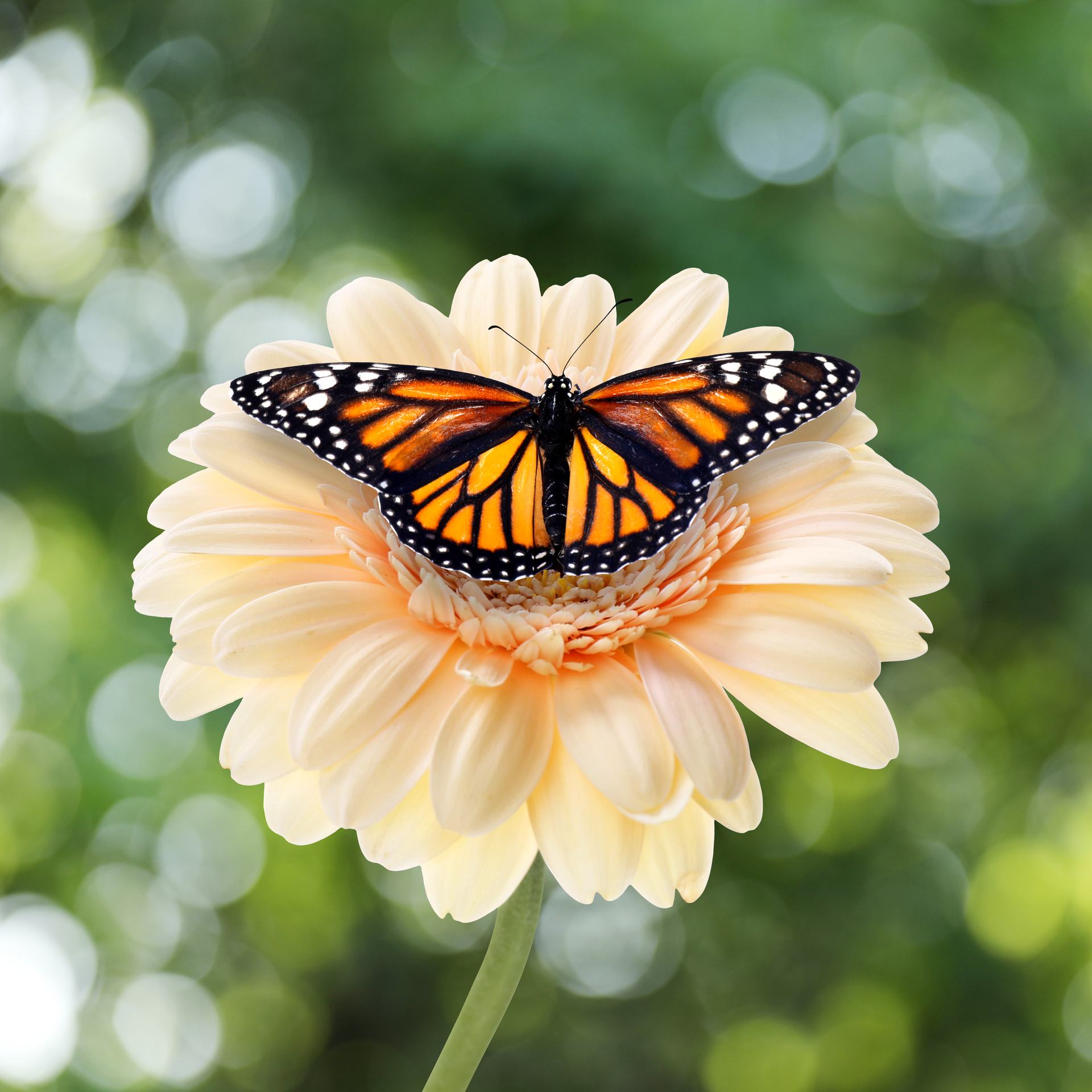
Why butterflies?
The Compassionate Friends uses butterflies because they symbolize renewed life. The caterpillar signifies life here on earth; the cocoon, death; and the butterfly, the emergence into a new, beautiful and freer existence.
Elisabeth Kübler-Ross told of butterflies drawn on the walls of children’s dormitories in the Second World War concentration camps. Many of our members embrace the butterfly as a sign of hope that their children are living in another dimension with greater beauty and freedom.
Our volunteers
Every member of our chapter is a volunteer. Many are bereaved parents who once walked through our door for the first time themselves.
Chapter Leader
Office Coordinator
Volunteer Coordinator
Honorary Chapter Leader
Newsletter Editors
Advisory board: Patricia Walmsley (retired, Thomson “In The Park” Funeral Home and Cemetery), Cindy Willette (social worker, retired) and Brian Fraser.
With gratitude to the late Hedie Epp, Advisory Board member since 1991.
Call or text us, send an email, or simply come to a meeting. There is no charge, and no appointment is needed.